What the Duck Embroidery Review
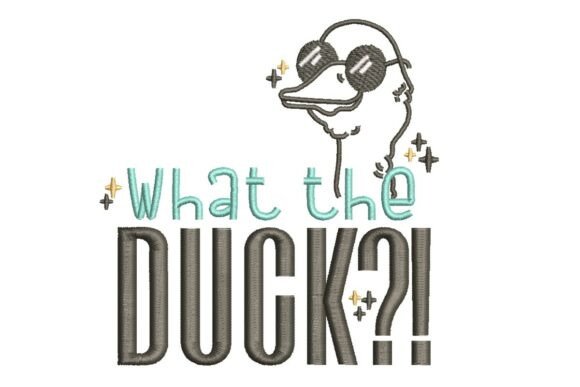
As an embroidery designer who spends weekends hunched over a hoop at craft fairs, I know that selling is just as much about visual impact as it is about stitch quality. When I first pulled up the What the Duck design file, my immediate reaction was one of recognition: this isn’t just a cute animal motif; it’s a conversation starter. In the crowded world of handmade goods, you have mere seconds to grab a passerby’s attention. This Animal Quotes piece delivers exactly that punch with its sassy line art and modern aesthetic.
I’ve spent the last few days testing this machine embroidery design on various fabrics to see how it translates from a digital screen to a physical craft fair product. Here is my honest review of how What the Duck performs in real-world production scenarios, what works best for your booth, and where you need to be careful during the stitching process.
First Impressions: Bold, Sassy, and Modern
The description highlights a "stylish, line-art duck head wearing trendy ro," which suggests a contemporary, graphic look rather than a traditional, rustic barnyard feel. This is crucial for today’s market. Buyers at boutiques and handmade markets are often looking for items that reflect their personality—items that are funny, slightly irreverent, yet chic. The line art style of What the Duck achieves this balance perfectly. It feels premium because of its simplicity, avoiding the cluttered look that can sometimes plague busy designs.
Visually, the design stands out because it relies on negative space and clean lines. Unlike dense, filled shapes that can look heavy or stiff, this design likely breathes well on fabric. For an Etsy seller or a booth vendor, this means the design will photograph beautifully. Clean lines translate better to small thumbnail images on social media and online marketplaces, increasing click-through rates. The humor of the phrase "What the Duck" combined with the cool demeanor of the line-art duck creates a unique brand voice that can help distinguish your shop from competitors selling generic floral or farmhouse patterns.
Product Versatility: Where Does It Shine?
One of the biggest challenges for a small shop product creator is finding a single design that works across multiple categories. Fortunately, What the Duck is incredibly versatile. Here is how I recommend deploying this embroidery file for maximum sales potential:
- Tote Bags and Market Bags: This is the bread and butter of any craft fair. A large-scale placement of What the Duck on a canvas tote bag makes a bold statement. The line art style looks sophisticated against the rough texture of canvas, creating a nice contrast between the rugged fabric and the sleek embroidery. It appeals to students, shoppers, and anyone who wants a functional accessory with a sense of humor.
- Aprons and Tea Towels: For kitchen-themed gifts, this design adds a playful touch without being overly childish. On a white or light-colored tea towel, the contrast will be sharp. However, be mindful of fabric texture; highly textured flour-sack towels might obscure fine line details if the design is too small. I recommend placing this on smoother cotton aprons for the crispest finish.
- Embroidered Patches: If you offer patches as standalone accessories or for customizing denim jackets, What the Duck is ideal. The line art nature means it likely has fewer underlay stitches, making it faster to produce. You can create a variety of colorways—neon thread on black felt, pastel thread on white denim—to appeal to different demographics.
- Caps and Beanies: Curved surfaces like caps can distort embroidery, but simple line art tends to hold its shape better than complex pictorial designs. Placing a medium-sized What the Duck on the front panel of a structured cap can be a hit with younger buyers looking for quirky streetwear-style accessories.
Production Practicalities and Design Analysis
When evaluating a design for commercial use, I don’t just look at how it looks; I look at how it stitches. Here are the practical considerations for What the Duck:
Stitch Density and Clarity
Line art designs rely heavily on the precision of the stitch path. Because the design features "trendy" elements, there may be thinner lines or smaller details. Before committing to bulk production, you must check the stitch density. If the lines are too thin, they may pucker the fabric or break easily during wear. Conversely, if the density is too high for such a simple image, the embroidery will look muddy and lose its crisp, modern appeal. Test the design on scrap fabric to ensure the lines remain distinct and do not merge together.
Fabric Compatibility
The choice of base material significantly impacts the final look. Dark fabrics require high-contrast thread colors to make the white or light-colored lines pop. If you are embroidering on dark denim or black cotton, consider using a stabilizer that prevents the fabric from stretching, which could warp the delicate lines of the duck. For lighter fabrics, standard tear-away or cut-away stabilizers should suffice, depending on the weight of the garment.
Sizing and Scalability
Not all sizes work equally well. While a large focal design on a tote bag is striking, shrinking What the Duck down to a tiny size (under 2 inches) might cause the text or fine details to become illegible. As a rule of thumb, keep the design large enough that the "sassy" expression remains clear. If you plan to sell these as small accents on keychains or zippers, verify that the hoop size and digitization allow for such small dimensions without losing detail.
Marketing and Booth Display Strategy
For those of us setting up tables, visual merchandising is key. What the Duck is a perfect example of a design that drives engagement. Its humorous nature invites questions. When a customer stops at your booth and reads "What the Duck," they are already engaged. They are smiling. That emotional connection is the first step toward a sale.
Create a dedicated display section for "Funny Gifts" or "Sassy Accessories." Use printable mockups to show the design on different products even if you only have samples of a few. Show the design on a tote, then digitally overlay it on an apron or pillow cover in your listing photos. This helps customers visualize the versatility of the design. Furthermore, because the design is monochromatic or limited in palette, it fits seamlessly into almost any booth color scheme, allowing your other colorful products to shine alongside it.
Final Verdict and Best Practices
Overall, What the Duck is a strong contender for your inventory. It hits the sweet spot between trendy, funny, and professionally executed. It appeals to a broad audience, from young adults looking for unique gifts to older buyers who appreciate good humor. To ensure success:
- Test First: Always run a test stitch on the actual fabric you intend to sell. Check for puckering, thread breaks, and clarity.
- Choose Threads Wisely: Use high-quality polyester or rayon threads that match the modern vibe of the design. Avoid cheap cotton threads that may dull the line art.
- Confirm Licensing: Before selling finished products, double-check the commercial licensing terms of the digital embroidery file. Ensure you are allowed to sell the physical items created with this design.
- Highlight the Humor: In your product descriptions and social media posts, lean into the sass. Use captions that play on the "shock and humor" aspect mentioned in the design description.
If you are looking to add a design that is easy to produce, visually striking, and inherently engaging, What the Duck is a smart addition to your repertoire. It transforms simple handmade products into memorable experiences for your customers.