Blenda Script Embroidery Font Review
In the world of small business merch, visual identity is everything. As an embroidery designer who has spent years digitizing logos and refining stitch paths for clients ranging from boutique bakeries to corporate uniform providers, I know that a single font choice can make or break a product line. Today, I am reviewing Blenda Script Embroidery Font, a design that promises to blend chic aesthetics with robust construction. But does it hold up under the needle? Can it survive the rigors of daily wear on aprons, caps, and tote bags? Let us dive into a professional evaluation of this digital asset.
First Impressions: Grace Meets Fortitude
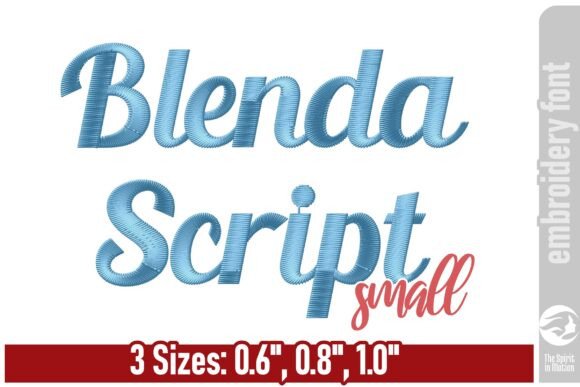
The moment you load the file, the character of Blenda Script Embroidery Font reveals itself. The description highlights "sleek satin stitches" and a balance of "grace and fortitude," and in practice, this translates to a typeface that feels both elegant and durable. Unlike many script fonts that become illegible blobs when reduced in size, Blenda maintains its flowing structure. It radiates a modern, premium feel that sits comfortably between playful handmade charm and sophisticated branding.
For brand identity, this is crucial. A script font often signals creativity and personal touch, which is ideal for Etsy sellers, crafters, and handmade brands. However, if the execution is poor, it can look amateurish. Blenda avoids this pitfall by utilizing a solid core structure beneath its decorative curves. This suggests that the digitizer understood the importance of stability in embroidery fonts. The font does not just look good on a screen; it appears designed to withstand the tension of thread and the friction of fabric.
Real-World Application: From Patches to Packaging
When evaluating a machine embroidery design for commercial use, we must ask: where will this live? Blenda Script Embroidery Font is versatile enough to serve multiple roles in a small business’s product ecosystem.
- Embroidered Patches: For pet brands, florists, or creative studios, a sew-on patch is a staple. The flowing design of Blenda works beautifully as a central element on circular or shield-shaped patches. Its robust nature ensures that the letters do not collapse when stitched onto stiff backing materials.
- Staff Uniforms and Aprons: In a café or bakery setting, staff appearance matters. Placing Blenda on the chest of a work shirt or the pocket of an apron adds a touch of professionalism without being overly corporate. The high contrast potential of the satin stitches makes it readable even from a few feet away.
- Cap Embroidery: Curved surfaces like cap fronts present a challenge for script fonts. Because Blenda has a natural flow, it can follow the curve of a hat brim gracefully. However, spacing becomes critical here to prevent the letters from crowding each other.
- Tote Bag Design: Canvas totes are a favorite among merch creators. Blenda offers a stylish accent for minimalist tote designs. When paired with simple icons or smaller sans-serif text, it elevates the bag from a plain accessory to a branded statement piece.
- Product Packaging Accents: Beyond apparel, this digital embroidery file can be used to create labels for clothing tags, hang tags, or gift boxes. A small embroidered logo featuring Blenda adds tangible value to the unboxing experience, enhancing customer trust and perceived quality.
Strategic Considerations and Limitations
No design is perfect for every scenario. As a designer, I advise caution in specific applications to ensure the best finished product.
Small Patch Sizes: While Blenda is robust, script fonts rely on fine details. If you intend to shrink the design down to a tiny label size (under one inch), test the legibility first. The connecting strokes in script fonts can merge together at very small scales, turning your brand name into an indistinguishable shape.
High Stitch Density: Satin stitches, while sleek, consume more thread and increase the weight of the design. On delicate fabrics, this added density can cause puckering. Always inspect the stitch density settings in your digitizing software. If the density is too high for lightweight cotton or silk blends, consider reducing the number of passes or switching to a fill stitch for background elements.
Fabric Texture and Color: The elegance of Blenda relies on clean lines. On highly textured fabrics like heavy wool or rough burlap, the edges may appear jagged. Similarly, on dark uniforms, ensure you have adequate underlay stitching to provide a smooth base for the top thread. Poor underlay can lead to thread breaks and uneven coverage.
Curved Surfaces: When applying this to caps or sleeves, remember that the hoop must accommodate the curvature. A flat hooping simulation might look perfect, but the actual embroidery on a curved surface may stretch or distort the lettering. Use a proper stabilizer and consider multi-head capabilities if producing large runs.
Impact on Brand Identity and Professionalism
Choosing the right design assets directly influences how customers perceive your business. Blenda Script Embroidery Font strikes a balance that fosters visual consistency. It is friendly yet authoritative. This duality is essential for handmade products that want to compete with larger brands. It signals that you care about detail (the grace) but also about longevity (the fortitude).
Furthermore, using a high-quality embroidery file rather than a cheap print boosts product value. Customers associate embroidery with durability and luxury. By selecting a font that digitizes well, you are investing in the reputation of your commercial embroidery services. It reduces returns due to poor quality and increases repeat purchases because the merchandise looks professional out of the hoop.
Practical Designer Notes for Production
Before you commit to mass production, follow these steps to ensure success:
- Test in Black and White: Remove color distractions. Does the shape of the letters remain clear? This helps identify spacing issues.
- Check Hoop Size: Confirm that the design fits within your standard hoop dimensions. Oversized designs require specialized equipment.
- Review Thread Color Contrast: Ensure the chosen thread colors provide sufficient contrast against the target fabric. Light gray on white will disappear; bright yellow on black may glow but lack definition.
- Inspect Spacing: Look closely at kerning. Are any letters too close, risking collision during stitching?
- Create a Printable Mockup: Before running the machine, generate a printable mockup to show clients or stakeholders. Visual approval prevents costly errors.
- Confirm Commercial Licensing: Always verify the license terms. Ensure you have the right to use this embroidery font for resale items.
- Stabilizer Selection: Match the stabilizer to the fabric weight. Cut-away for stretchy knits, tear-away for wovens.
In conclusion, Blenda Script Embroidery Font is a strong contender for businesses seeking a blend of style and substance. It is not merely decorative; it is a functional tool for building a recognizable brand. By understanding its strengths and respecting its limitations, you can leverage this design to create memorable, high-quality merchandise that resonates with your audience.