Running on Vibes Embroidery Review
When I pull a new embroidery file into my digitizing software, I am rarely looking for just another pretty picture. As someone who has spent years evaluating designs for both personal crafting and commercial client work, I am looking for viability. Does this design hold up under the needle? Will it translate well to a finished product that a customer will actually wear or display? Today, I am putting Running on Vibes through that same rigorous practical evaluation. This piece falls squarely into the Inspirational category, but inspiration alone does not make a sellable product. It needs structure, clarity, and emotional resonance that survives the stitching process.
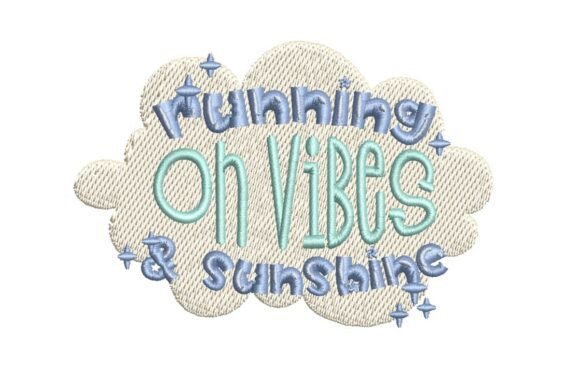
The first impression of Running on Vibes is undeniably cheerful. The graphic features playful script and bubbly text set against a soft cloud backdrop, accented by sunshine motifs that suggest movement and positivity. Visually, it feels light and airy. However, from a designer’s perspective, the true test lies in how those "bubbly" elements and delicate clouds translate when converted into thread. In the digital realm, a cloud can be a simple gradient; in embroidery, it must be defined by stitch direction and density. My initial assessment is that this design leans heavily toward aesthetic appeal, which makes it a strong candidate for specific types of projects while raising red flags for others.
Real-World Application: From Screen to Stitch
To understand where Running on Vibes truly shines, we need to look at it in context. Let’s imagine a real-life scenario: you are preparing a batch of custom embroidered tote bags for an upcoming craft fair or Etsy listing. You want something that communicates a lifestyle, not just a logo. This design fits that niche perfectly. The phrase implies a mood, and the visual elements support that narrative without being overly aggressive or loud.
I envision this design working exceptionally well on natural canvas totes or soft cotton blends. The contrast between the structured script and the softer cloud background creates a nice visual hierarchy. When stitched, the satin stitch used for the lettering would likely provide a clean, legible anchor point, while the fill stitch areas representing the clouds add texture and depth. For a small business owner, this kind of versatility is gold. It allows you to market the item as a personalized gift or a handmade product that appeals to wellness enthusiasts, yoga practitioners, or anyone looking for a daily reminder of positivity.
Beyond totes, this design has potential in the baby embroidery space. The soft colors implied by the "sunshine" and "cloud" theme make it suitable for nursery decor, baby blankets, or christening gowns. However, here is where the designer in me pauses. Baby items often require extreme durability because they will undergo frequent washing. If the stitch density is too high, the fabric may pucker. If it is too low, the image may look sparse. Before committing to a production run, I always advise testing the design on scrap fabric that mimics the final garment’s weight and weave.
Performance Across Different Garments and Products
Let’s expand the scope. How does Running on Vibes perform when moved away from flat surfaces like tote bags? Consider sweatshirt embroidery. A hoodie is a staple in the custom apparel market, especially for streetwear or casual comfort brands. Placing this design on the front center or the back yoke could yield a trendy result. The key here is fabric texture. French terry or heavy cotton fleece provides enough stability to handle the design’s details without distorting. On thinner jersey knits, however, the risk of distortion increases significantly unless a high-quality cut-away stabilizer is used.
Another interesting application is the embroidered patch. If you are creating detachable patches for denim jackets or backpacks, this design’s self-contained nature works well. The cloud backdrop naturally frames the text, allowing for a clean edge if you choose to applique or use a dense border. For commercial embroidery projects, patches are a high-margin item. Buyers appreciate the ability to customize their gear with unique graphics, and a positive message like this adds emotional value to a functional accessory.
What about kitchen textiles? An apron or tea towel with this design could be a fantastic gift item for housewarmings or holidays. The cheerful aesthetic aligns with the warmth of home cooking. However, aprons face heat, moisture, and abrasion. The thread colors must be chosen carefully to ensure they do not fade quickly or show stains easily. Light pastel threads might look beautiful initially but could require more maintenance from the end user. Darker, more saturated tones within the sunshine motif might offer better longevity for high-use items.
Where Caution Is Required
No design is perfect for every surface, and Running on Vibes has its limitations. I need to highlight where this design should be used carefully. First, avoid small hoop sizes. If you attempt to downsize this design too much, the "bubbly" text may lose its definition, turning into a blob of thread. The negative space between letters and the cloud details requires adequate resolution to remain readable. If your target market wants tiny logos on collars or cuffs, this design is likely too complex and wide for that application.
Second, consider textured fabrics. While linen and burlap have charm, their uneven surfaces can disrupt the smooth flow of a running stitch or the evenness of a fill stitch. The clouds might appear jagged or interrupted. Stick to smoother weaves for the best presentation of this design’s soft aesthetic.
Stretchy fabrics present another challenge. Knits, whether used for t-shirt embroidery or activewear, move and stretch. If the design lacks sufficient underlay stitches to stabilize the area, the entire graphic can distort over time, causing the text to warp. Always check the digitization’s underlay settings if you have access to the source file, or simply test extensively on your specific fabric type before selling.
Dark fabrics also require strategic planning. The description mentions a "soft cloud backdrop," which implies lighter tones. On dark fabric, you would need to either use a white or light-colored base layer (which adds cost and time) or accept that the design will rely entirely on the thread colors for visibility. Ensure there is enough contrast between the text and the background elements so the message remains clear.
Practical Designer Notes for Success
If you decide to incorporate Running on Vibes into your workflow, here are some essential steps to ensure professional results:
- Test on Scrap Fabric: Never go straight to the final product. Run the design on a piece of the same material to check for puckering, tension issues, and color interaction.
- Check Thread Color Contrast: Digital previews can be deceiving. Physical thread samples often look different on screen. Test light threads on dark backgrounds and vice versa to ensure readability.
- Review Stitch Density: High density can make a project feel stiff and cheap. Low density can look unfinished. Look for a balance that feels soft to the touch but visually solid.
- Inspect Small Details: Zoom in on the script. Are the curves smooth? Do any stitches overlap awkwardly? Small errors become magnified in the final product.
- Use Proper Stabilizer: Match your stabilizer to your fabric. Tear-away for stable wovens, cut-away for knits and stretchy materials. This is non-negotiable for maintaining shape.
- Confirm Licensing: Before you list any finished product on Etsy or your own shop, verify the commercial use rights. Some digital embroidery files allow unlimited sales, while others limit the number of units or prohibit resale entirely.
Ultimately, Running on Vibes is a strong contender for designers looking to add a touch of warmth and positivity to their collections. It works best on stable, medium-to-heavy weight fabrics where its details can breathe. It is less suited for tiny applications or highly textured, stretchy surfaces without careful stabilization. By treating it as a versatile tool rather than a one-size-fits-all solution, you can create design assets that resonate with customers and stand up to real-world use. Whether you are making a single holiday gift for a friend or building a brand around craft business merchandise, this design offers a reliable foundation for creative expression. Just remember: the magic happens in the execution, not just the idea.