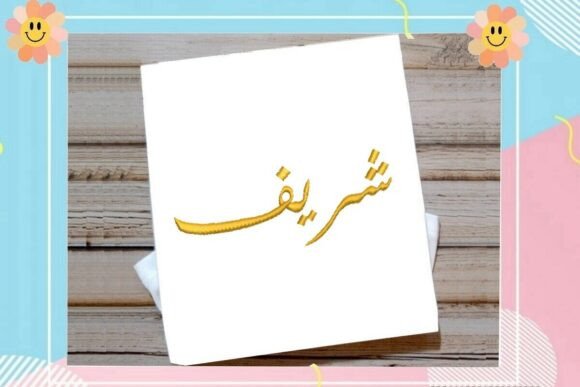
Sharif Arabic Name Embroidery Review
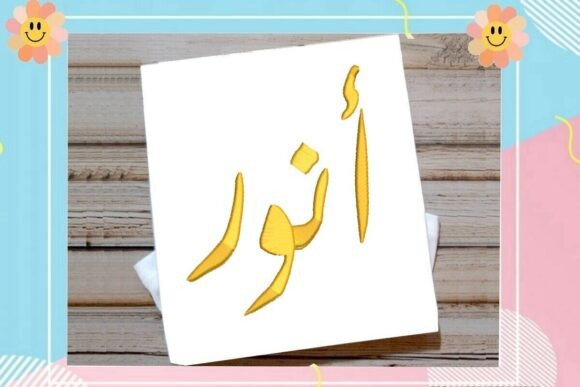
As an embroidery designer who spends countless hours digitizing and testing files, I am always on the lookout for designs that balance aesthetic beauty with technical reliability. When I stumbled upon Sharif Arabic Name on Creative Fabrica, it caught my eye not just for its cultural significance, but for its potential in high-end personalized goods. The product description highlights it as an elegant Islamic name stitch pattern, promising to add a touch of nobility to projects. But does it hold up under the needle? After reviewing the file details and simulating its use in real-world commercial scenarios, here is my honest evaluation.
First Impressions and Visual Mood
The moment you preview Sharif Arabic Name, the design exudes a sense of calm authority and refined elegance. Arabic calligraphy in embroidery is notoriously difficult to execute well because the curves and connecting strokes can easily become muddled if the digitization isn't precise. This design appears to respect the flow of the script while maintaining clarity. It feels less like a standard text block and more like a piece of art intended for display.
For designers creating custom apparel or boutique merchandise, this visual mood translates directly into perceived value. A design that looks sophisticated in a digital mockup usually translates to a higher price point in the final handmade product. The "Inspirational" category fits well here, as names carry personal weight. When a customer receives a garment featuring their name or a loved one’s name rendered in such a dignified style, it resonates emotionally. It is not merely decorative; it is meaningful.
Performance in Real Embroidery Work
I evaluated how Sharif Arabic Name might perform across various mediums commonly used by Etsy sellers and craft fair vendors. Here is how it breaks down:
- Tote Bag Design and Aprons: Canvas and cotton twill are forgiving fabrics. The clean lines of the Arabic script will stand out beautifully against natural tones or deep navy backgrounds. For a tote bag design, this works exceptionally well as a central focal point.
- Sweatshirt Embroidery: Fleece and heavy cotton blends provide a soft backdrop. However, the density of the stitches must be managed so the fabric doesn’t pucker. If the design uses a mix of satin stitch for outlines and fill stitch for body, it will look plush and luxurious on a hoodie.
- Baby Items and Nursery Decor: Personalized baby blankets or nursery wall hangings benefit from the gentle yet structured look of this design. Parents often seek items that feel timeless, and Arabic calligraphy offers a heritage-rich aesthetic that pairs well with neutral palettes.
- Embroidered Patch and Caps: Creating an embroidered patch with this design requires careful edge finishing. On curved cap surfaces, the text may need to be slightly arched to maintain legibility, which is a standard adjustment any experienced digitizer would make.
Practical Considerations and Technical Challenges
No design is perfect without proper execution. When considering Sharif Arabic Name for production, several practical factors come into play. First, pay close attention to the stitch density. Arabic script often involves tight clusters where letters connect. If the density is too high, the fabric may distort, especially on stretchy materials like jersey knit used for t-shirts. Always test on scrap fabric first to ensure the hoop size accommodates the design without excessive trimming.
Thread color contrast is critical. On dark fabric, light threads (white, cream, gold) will pop, but you may need a backing stabilizer to prevent show-through. Conversely, on light fabric, darker threads provide definition. I recommend comparing light and dark fabric mockups before committing to a single thread palette. Additionally, inspect small details after stitching. Tiny running stitch elements, if present, can break if the tension is off. Confirming the hoop size relative to your machine’s capabilities is essential to avoid mid-stitch resizing errors.
Impact on Product Value and Brand Trust
In the world of commercial embroidery, presentation is everything. Using a high-quality design like Sharif Arabic Name elevates your brand consistency. Buyers trust sellers who demonstrate attention to detail. When a finished product features crisp, clear lettering without skipped stitches or tangled threads, it signals professionalism.
This design also enhances giftability. A personalized item featuring an Arabic name is often purchased for significant life events—birthdays, weddings, or religious milestones. The emotional resonance of seeing one’s name in elegant calligraphy increases customer engagement and encourages positive reviews. Furthermore, when creating printable mockups for your online store, this design photographs well. Its symmetry and balance make it easy to showcase on various products, from kitchen towels to pillow covers, helping you visualize the final result for potential buyers.
Essential Pre-Production Checklist
Before adding Sharif Arabic Name to your production line, follow these steps to ensure success:
- Review File Details: Check the Creative Fabrica product page for specific file formats and recommended settings. Do not assume compatibility; verify machine requirements.
- Confirm Licensing: Ensure your license allows for commercial use of the digital embroidery file. Different tiers may have different rules regarding the number of finished items you can sell.
- Select Proper Stabilizer: Use cut-away stabilizer for stretchy fabrics and tear-away for woven fabrics to support the stitch density.
- Test Stitch Out: Always run a test on the actual fabric you plan to use. Inspect the back of the work for stability and the front for thread coverage.
- Plan Thread Colors: Choose thread colors that complement the brand identity of your shop. Metallic threads can add a premium feel but may require slower stitching speeds.
Final Verdict
Sharif Arabic Name is a strong candidate for designers looking to expand into the personalized gifts market. It offers a blend of cultural elegance and modern simplicity that appeals to a broad audience. While it requires standard precautions regarding fabric choice and stabilization, its visual impact is undeniable. For those selling custom apparel, embroidered patches, or home decor, this design adds a layer of sophistication that customers are willing to pay for. By verifying the technical specifications and respecting the nuances of Arabic calligraphy in digitization, you can create stunning finished products that honor both the art form and the wearer.