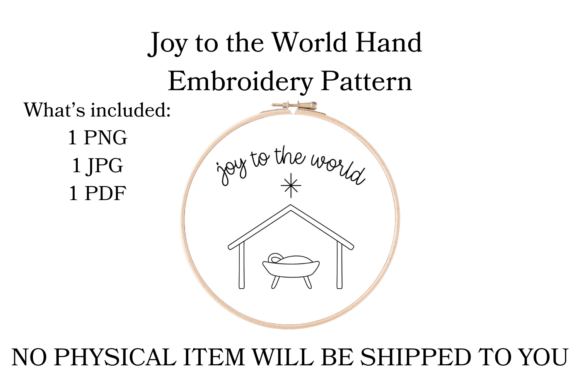
Joy to the World Hand Embroidery Pattern
As a designer who spends more time staring at stitch density charts and fabric swatches than sleeping, I have developed a fairly strict filter for digital assets. The market is flooded with generic clip art masquerading as embroidery files, but Joy to the World Hand Embroidery Pattern caught my eye for a different reason. It doesn’t scream for attention; it whispers. In a season where visual noise is at its peak, this minimalist line art offers a breath of fresh air that translates exceptionally well into tangible products.
I recently evaluated this design not just as a static image, but as a potential core asset for a small holiday collection. My goal was to determine if the aesthetic holds up under the scrutiny of real-world stitching, whether it appeals to the modern boutique shopper, and how it performs across various mediums—from soft baby knits to structured canvas totes. Here is my practical breakdown of what makes this pattern work and where it might challenge your technique.
The First Impression: Minimalism Meets Tradition
The immediate visual personality of Joy to the World Hand Embroidery Pattern is one of quiet reverence. Unlike traditional nativity scenes that often rely on heavy fill stitches and complex shading to convey emotion, this design leans heavily into simple line art. This approach is deliberate. By stripping away the clutter, the focus shifts entirely to the shapes and the negative space between them. For an embroiderer, this is a blessing. It means fewer thread changes, less risk of puckering, and a cleaner final look that feels intentional rather than accidental.
Mood-wise, the design evokes a sense of calm nostalgia. It feels timeless, which is crucial for holiday items that need to remain relevant beyond December 25th. When I first laid out the mockups, I noticed that the simplicity allows the texture of the underlying fabric to become part of the design itself. On a raw denim tote bag, the lines pop with rustic charm. On a white cotton tea towel, it feels crisp and editorial. This versatility suggests that Joy to the World Hand Embroidery Pattern is not just a novelty item, but a sophisticated graphic that can elevate a brand’s aesthetic.
Real-World Application: From Concept to Finished Product
To truly test the viability of any design, you have to imagine it on a customer’s shelf or in their home. I ran several scenarios through my head to see how this pattern would perform in actual production.
- Custom Apparel and Sweatshirts: The clean lines translate beautifully to sweatshirt embroidery. Because the design is not overly dense, it sits flat against the thick knit fabric without creating a heavy, uncomfortable lump. It works particularly well when placed off-center on the chest or centered on the back, offering a subtle nod to the holidays without being loud. Pairing it with a high-quality polyester-cotton blend ensures the threads hold their shape after multiple washes.
- Baby Items and Nursery Decor: This is perhaps the strongest use case. Parents today are moving away from garish, mass-produced holiday decor in favor of neutral, organic aesthetics. A onesie or burp cloth featuring this simple line art feels gentle and safe. The lack of tiny, intricate details reduces the risk of fraying over time, making it a durable choice for a personalized gift that will be handled frequently.
- Tote Bags and Aprons: For the Etsy seller looking to create functional art, this design shines. Embroidering onto canvas or linen provides enough structure to keep the lines straight and true. The contrast between the dark thread and the natural fabric creates a striking visual that photographs well for social media marketing. It adds a layer of professionalism to a handmade product, signaling that care was taken in its creation.
- Holiday Gifts and Kitchen Towels: Tea towels are a staple in craft fair booths. This pattern fits perfectly within the border space of a standard kitchen towel. The linear nature of the art ensures that even if the towel shrinks slightly during washing, the overall composition remains balanced. It serves as an excellent holiday embroidery project that feels personal yet universally appealing.
Technical Considerations and Potential Pitfalls
While the aesthetic is strong, no design is perfect for every situation. As a reviewer, I must highlight where Joy to the World Hand Embroidery Pattern requires careful handling. The very simplicity that makes it elegant also demands precision.
Fabric Selection is Critical: This design relies on clear definition. Using it on highly textured fabrics like chunky wools or loose-weave burlap can cause the lines to blur or distort. Similarly, thin or stretchy fabrics require a heavy-duty stabilizer to prevent the hoop marks from leaving permanent indentations. If you are working with dark fabric, ensure your thread color has sufficient contrast; otherwise, the delicate lines may get lost in the background.
Scale and Detail: While the design is simple, shrinking it down too small can be risky. On tiny surfaces like embroidered patches or cap fronts, the lines may merge if the stitch count is too low or the resolution is poor. Always check the design in a black-and-white mockup at the intended size to ensure clarity. Additionally, avoid placing this design on curved surfaces like baseball caps unless you have significant experience with curvature compensation, as the straight lines may appear warped.
Stitch Density and Durability: Although it is a line art design, the longevity of the finished product depends on proper stabilization. For items that will undergo frequent washing, such as aprons or baby clothes, reinforcing the backing is non-negotiable. Without it, the tension from the stitching can pull the fabric, causing the design to pucker over time. Test the design on scrap fabric first to confirm that the stitch density feels right for your specific material.
Strategic Value for Designers and Sellers
For the creative entrepreneur, Joy to the World Hand Embroidery Pattern offers more than just a pretty picture; it offers brand consistency. The minimalist style aligns with current trends in modern craft and boutique branding. It allows sellers to maintain a cohesive look across diverse product lines, from apparel decorators selling custom tees to those offering digital embroidery file downloads.
The design also enhances buyer engagement. Shoppers are increasingly drawn to products that feel authentic and thoughtfully designed. A clean, hand-drawn aesthetic suggests craftsmanship and attention to detail, which can justify a higher price point for small shop products. Furthermore, its universal theme makes it accessible to a wide audience, reducing the risk of unsold inventory during the post-holiday season.
However, before integrating this into your workflow, there are practical steps you must take. Confirm the licensing terms to ensure you have the right to sell finished items. Review the thread colors recommended by the creator, but do not be afraid to experiment with seasonal palettes—think deep burgundy, forest green, or metallic gold—to give the design a unique twist. Also, verify the file formats and compatibility with your specific machine software to avoid technical headaches during production.
Final Verdict
Joy to the World Hand Embroidery Pattern is a refined, versatile asset that bridges the gap between traditional holiday themes and modern design sensibilities. Its strength lies in its restraint. By focusing on clean lines and meaningful imagery, it avoids the clichés that often plague seasonal merchandise. For designers willing to pay attention to fabric choice and stabilization, this pattern can result in stunning embroidery projects that resonate with customers on a deeper level. It is not just a design; it is a tool for creating memorable, high-quality handmade goods that stand out in a crowded marketplace.