Abdullah Arabic Name Embroidery Review
As a designer who spends more time than I care to admit staring at stitch charts and testing fabric tension, I approach every new embroidery file with a mix of skepticism and curiosity. The market is flooded with generic templates, but when something carries cultural weight or specific linguistic beauty, it demands a higher standard of execution. This week, I put the Abdullah Arabic Name design through its paces. My goal wasn’t just to see if it stitched out; it was to determine if it holds up as a viable asset for real-world projects, from high-end boutique gifts to everyday custom apparel.
First Impressions: Mood and Visual Personality
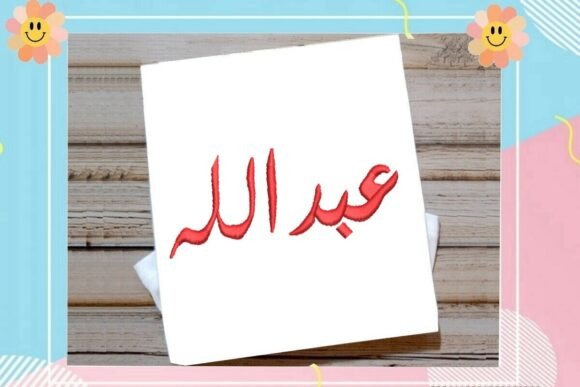
The moment you load the machine embroidery design, the first thing that strikes you is the elegance of the calligraphy. "Abdullah" (عبد الله) is a name rich in meaning, and this design captures that gravity without feeling heavy-handed. The curves are fluid, suggesting a hand-drawn origin that has been faithfully converted into digital coordinates. It doesn’t scream for attention with loud colors or chaotic layouts; instead, it whispers sophistication.
In terms of visual personality, this design feels timeless. It bridges the gap between traditional Islamic art and modern minimalist aesthetics. For a crafter or an Etsy seller, this versatility is gold. It works equally well on a soft baby onesie as it does on a structured canvas tote. The layout allows for breathing room, which is crucial for readability. When you look at the design assets, you can tell the spacing was considered carefully. There are no cramped letters fighting for space, which usually leads to thread breaks or muddled visuals during the stitching process.
Real-World Application: Where Does It Shine?
I decided to test this design in a scenario that mirrors what many of my clients request: a personalized gift set. Specifically, I envisioned a matching set for a newborn—a baby embroidery outfit and a keepsake blanket. Here is how the Abdullah Arabic Name performed in those contexts.
Apparel and Soft Goods: On a cotton-blend sweatshirt or a linen apron, the design excels. The lines are clean enough that they don’t get lost in the texture of the fabric. If you are looking to create a sweatshirt embroidery piece for a boutique, this name stands out because it offers a personal touch that mass-produced items lack. It adds value to the handmade product by making it feel bespoke.
Accessories and Home Decor: I also experimented with using this as an embroidered patch concept, though the design works best when stitched directly onto the item. Imagine a leather tote bag with the name embroidered in white or silver thread. The contrast would be striking. Similarly, for pillow covers or kitchen towels, the design serves as a focal point. It transforms a plain textile into a statement piece. For holiday embroidery, such as Ramadan or Eid gifts, this design is particularly appropriate, offering a sense of tradition and warmth.
Commercial Viability: For the crafter business owner, this design is a strong candidate for your catalog. Personalized names are evergreen products. Unlike seasonal trends that fade, names like Abdullah remain relevant year after year. It fits perfectly into the niche of small shop product offerings that cater to families wanting meaningful decor.
Technical Performance and Stitch Quality
When evaluating any digital embroidery file, I always look at the stitch types. This design appears to utilize a combination of satin stitches for the main outlines and fill stitches for thicker areas. The transition between these stitches is generally smooth, which reduces the risk of puckering on stable fabrics.
However, the success of this project hinges on your choice of thread colors. Because Arabic calligraphy relies heavily on continuous lines, a low-contrast thread against the fabric can make the text illegible. I found that using a dark navy thread on a cream background or a metallic gold on black provided the best clarity. Avoid busy patterns on the fabric itself, as they will compete with the intricate details of the calligraphy.
The stitch density seems balanced. It is not so dense that it becomes stiff and uncomfortable to wear, nor is it so sparse that the fabric shows through. This balance is critical for finished product quality. A stiff embroidery can ruin the drape of a garment, while a sparse one looks cheap. This design hits the sweet spot for most wearable applications.
Where to Exercise Caution
No design is perfect for every surface. There are specific situations where you should pause and reconsider using the Abdullah Arabic Name:
- Small Hoop Sizes: If you are trying to fit this design into a tiny hoop, you may lose some of the delicate curve details. Ensure your hoop size accommodates the full width of the calligraphy.
- Textured or Stretchy Fabrics: While it works on cotton blends, highly textured fabrics like chunky knits or stretchy spandex blends can distort the precise lines of the lettering. Always use a proper stabilizer to prevent shifting.
- Curved Surfaces: Attempting to embroider this flat design onto a curved surface like a baseball cap might result in distortion unless you digitize it specifically for that curvature.
- Dense Stitch Areas: Be mindful of the thickest parts of the design. On thin fabrics, this could lead to transparency issues or needle penetration problems.
Practical Designer Notes for Implementation
If you are planning to use this design for a client project or your own inventory, here is my practical advice based on real usage:
- Test on Scrap Fabric First: Never commit to a final product without running a test stitch. Check how the thread colors interact with your specific fabric batch.
- Check Stitch Density: Look closely at the underlay stitches. Good underlay prevents the top stitches from sinking into the fabric.
- Black and White Mockups: Before committing to expensive threads, convert your mockup to black and white. This helps you verify that the contrast levels are sufficient for readability.
- Stabilizer Selection: Use a cut-away stabilizer for garments that will be washed frequently, and a tear-away for temporary items like paper-backed appliques or light crafts.
- Licensing Verification: As an Etsy seller, ensure you understand the licensing terms. Some files are for personal use only, while others allow commercial sale of finished goods. Confirm this before listing your personalized gift items.
Final Verdict
The Abdullah Arabic Name is a refined addition to any embroidery library. It respects the art form of calligraphy while remaining functional for machine production. It elevates simple textiles into meaningful keepsakes. Whether you are creating a tote bag design for a friend or building a line of commercial embroidery products for your brand, this design delivers professionalism and beauty.
It is not just a name; it is a conversation starter. For the creative entrepreneur looking to add depth and cultural resonance to their portfolio, this is a smart, stylish choice. Just remember to respect the technical limitations of the medium, and this design will serve you—and your customers—well.