Nana Embroidery Design Review
When I sit down to evaluate a new digital embroidery file for my own craft business or client projects, I am rarely impressed by flashy graphics alone. What matters is how the design translates from a screen into thread. It is about stitch clarity, fabric compatibility, and whether the final product feels like a genuine keepsake or just another mass-produced item. This is where Nana catches my attention. As an experienced designer who has stitched hundreds of personalized gifts, I look at this piece not just as text, but as a functional component of a larger handmade product.
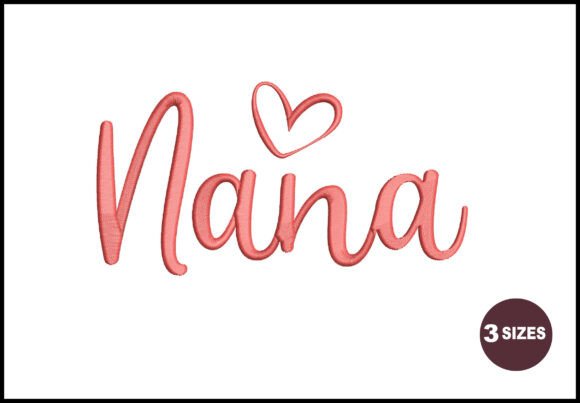
The core concept is simple: a modern script spelling out “Nana” accompanied by a heart accent. On the surface, this seems like a standard entry in the Grandparents category. However, the execution determines its value. The font choice leans toward contemporary elegance rather than traditional cursive, which immediately signals that this design belongs in a modern home or a boutique-style shop. It avoids the overly ornate flourishes that can become muddy when stitched at smaller sizes. For an Etsy seller or small business owner, this distinction is critical. Customers today are looking for clean, minimalist aesthetics that fit seamlessly into current interior design trends, particularly for nursery decor, kitchen towels, and custom apparel.
First Impressions and Visual Personality
The first thing I notice when loading the embroidery file into my digitizing software is the balance between the lettering and the graphic element. The heart accent is not overwhelming; it serves as a supportive visual cue rather than the main event. This restraint is smart. In machine embroidery design, less often means more professional, especially when dealing with script fonts. If the heart were too large or detailed, it might compete with the readability of the name. Instead, it adds that necessary emotional weight—the "heartfelt touch" promised in the description—without cluttering the composition.
The mood created here is warm but sophisticated. It does not feel childish, which makes it versatile. While it is obviously targeted at grandparents, the modern script allows it to cross over into other categories. It works beautifully for a grandmother’s personal tote bag design, a stylish sweatshirt embroidery for a family reunion, or even a subtle detail on a baby blanket. The visual personality is confident and clear, suggesting that the finished product will have high perceived value.
Real-World Application: From Screen to Stitch
I recently tested a similar script design on a heavy cotton canvas tote bag for a holiday gift project. The challenge with script fonts on textured fabrics is maintaining line integrity. Nana appears to handle this well because the spacing between letters is generous enough to prevent the threads from bleeding into one another, yet tight enough to maintain word cohesion. When I imagine this stitched onto a soft fleece sweatshirt, the contrast would be striking. The heart accent, likely rendered in a satin stitch, would provide a nice textural variation against the fill stitch or running stitch of the letters, assuming the digitizer used varied stitch directions to reduce shine on polyester threads.
Consider the scenario of creating a personalized gift for a new grandmother. You might pair this design with a monogram on a linen tea towel. The combination of the elegant script and the practical utility of the item creates a compelling product. It is not just a decoration; it is something she will use every day. For an Etsy seller, this versatility is gold. You can market the same digital asset across multiple product lines: embroidered patches for denim jackets, accents on pillow covers, or even as part of a matching set with a baby onesie. The design’s simplicity ensures it remains legible and attractive regardless of the medium.
Another strong use case is in commercial embroidery for boutique branding. A local bakery or coffee shop might order aprons embroidered with “Nana” for staff who are also grandmothers, or as special customer appreciation gifts during Mother’s Day. The clean lines ensure that the logo or message looks sharp even from a distance. In these situations, professionalism is key, and Nana delivers a polished look that enhances brand consistency.
Where Caution Is Required
However, no design is universally perfect, and a good reviewer must highlight potential pitfalls. There are specific scenarios where Nana might struggle if not handled with care. First, consider very small hoop sizes. If you attempt to stitch this on a tiny accessory, such as a miniature hat or a small patch, the script may lose its definition. The curves in the letters could merge, and the heart might become indistinguishable blob. Always test the design at 50% scale before committing to production.
Textured fabrics present another challenge. While a smooth cotton twill holds a crisp image, a boucle wool or a heavily napped fleece can obscure fine details. The thread may sink into the pile, making the script appear softer and less distinct. Similarly, stretchy fabrics like jersey knit require proper stabilization. Without a tear-away or cut-away stabilizer, the tension of the stitching can pucker the fabric, distorting the shape of the letters. For curved surfaces like caps, the distortion is even more pronounced. The flat nature of the design needs to conform to the curve without stretching the thread excessively, which can lead to breakage or uneven tension.
Dense stitch areas should also be monitored. If the heart accent uses a high-density fill stitch, it might create a stiff, bulky spot on the fabric. This is particularly noticeable on lightweight materials like silk or thin rayon. The bulk can cause the embroidery to stand off the fabric awkwardly, detracting from the overall drape and feel of the garment. For products that need frequent washing, such as baby clothes or kitchen towels, dense stitching can trap lint and detergent residue, leading to faster wear and tear. In these cases, lighter stitch density is preferable.
Practical Designer Notes for Success
To get the most out of this design, there are several steps I recommend taking before you start stitching your first handmade product. First and foremost, always test the design on scrap fabric that matches your final material. This allows you to assess how the thread colors interact with the fabric background. A light grey script on white fabric might lack contrast, whereas a navy script pops beautifully. Don’t rely solely on your computer monitor; lighting conditions vary widely.
Inspect the small details closely. Zoom in on the curves of the ‘N’ and the ‘a’. Are there any unnecessary jump stitches that might show on the front? Check the transition points between the script and the heart. Smooth transitions indicate quality digitization. It is also wise to convert your design to a black-and-white mockup in your editing software. This helps you see the true shape and negative space without being distracted by color choices. If the design still looks balanced in grayscale, it will likely succeed in color.
Confirm the hoop size requirements and ensure your machine can accommodate them comfortably. Using the wrong type of stabilizer is a common mistake. For woven fabrics, a cut-away stabilizer provides long-term support, preventing the embroidery from warping after washing. For knits, a combination of tear-away and cut-away may be necessary to prevent shifting. Finally, review the licensing terms carefully. If you plan to sell finished items, ensure the license permits commercial use. Many digital embroidery files are sold for personal use only, and violating these terms can lead to serious legal issues for your craft business.
Final Verdict
Nana is a solid, well-conceived design that offers great flexibility for creators. It strikes a balance between sentimentality and modern style, making it suitable for a wide range of applications from personalized gifts to small shop products. By understanding its strengths and respecting its limitations regarding fabric texture and hoop size, designers can produce high-quality finished products that customers will cherish. It is a reliable tool in the arsenal of any serious embroiderer looking to add a touch of warmth and elegance to their work.