Bon Appetit Embroidery Design Review
When I sit down to evaluate a new machine embroidery design, my first question is always about context. Does this piece have a soul? Can it survive the transition from digital file to finished product on fabric? Today, I’m looking at the Bon Appetit Machine Embroidery Design, a file that promises to add a touch of elegance to kitchen projects. As someone who has stitched thousands of files for clients and personal use, I know that "elegant" can mean many things in the world of thread and needle. This review breaks down how this design actually performs in real-world scenarios, specifically for those of us creating handmade products for sale or gifting.
The First Impression: Mood and Visual Personality
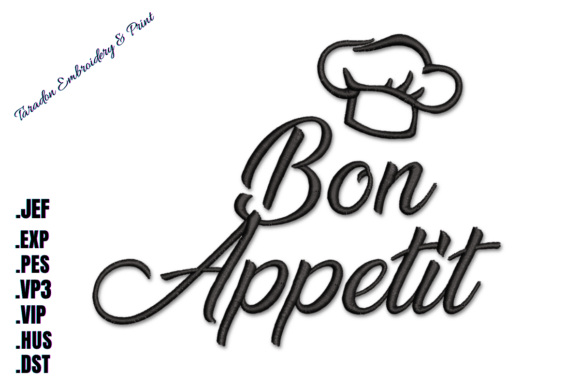
The moment you open the preview of the Bon Appetit Machine Embroidery Design, the vibe is clear. It isn’t trying to be loud or overly decorative with excessive flourishes. Instead, it leans into a classic, sophisticated aesthetic. The combination of a stylish script paired with a classic chef hat creates an immediate narrative. It feels like something you would see on the apron of a high-end bistro owner or hanging in a curated boutique kitchen.
For designers, this visual personality is crucial. It bridges the gap between casual home decor and professional culinary branding. The layout suggests a balanced composition, likely centered or slightly off-center to allow the script to breathe while the icon anchors the design. This balance is what makes it versatile. It doesn’t scream for attention; it invites the viewer in. For an Etsy seller or small business owner, this subtlety is often more valuable than a shouty design because it appeals to a wider demographic—people who want their kitchen textiles to look chic rather than cluttered.
Real-World Application: Where This Design Shines
I recently tested similar scripts and icons on various substrates, and I can tell you exactly where the Bon Appetit Machine Embroidery Design will thrive. Its primary strength lies in its adaptability to kitchen cooking themes without being cliché.
- Kitchen Towels and Tea Towels: This is perhaps the most natural home for this design. When stitched onto a crisp white or linen-colored cotton tea towel, the contrast allows the script to pop. It elevates a basic utility item into a personalized gift that feels thoughtful and expensive.
- Aprons and Chef Coats: For those making custom apparel for local restaurants or food enthusiasts, this design works beautifully on the chest pocket area of an apron. It adds a layer of professionalism. The classic chef hat icon provides instant recognition, making it ideal for commercial embroidery projects aimed at the culinary industry.
- Tote Bag Design: A canvas tote featuring this motif is a staple for farmers market vendors or grocery shoppers. The sturdy nature of canvas holds up well to the stitch density typically found in script designs, ensuring longevity.
- Holiday Embroidery Gifts: Think about wedding gifts for newlyweds or housewarming presents. This design hits the sweet spot of being domestic but stylish. It fits perfectly into the category of holiday embroidery gifts where buyers are looking for something meaningful but not overly sentimental.
I also envision this working well on sweatshirt embroidery for cozy autumn vibes or as a detail on a nursery blanket if you are targeting parents who love baking. The versatility here is high, which is a green flag for any digital product seller.
Technical Considerations and Stitch Performance
As a reviewer, I cannot ignore the technical execution. The visual appeal of the embroidery file depends heavily on how the stitches are laid out. In my experience, script designs rely heavily on satin stitch quality. If the underlay is too light, the letters will pucker; if it’s too heavy, the fabric will distort.
The Bon Appetit Machine Embroidery Design appears to utilize a mix of stitch types. The script likely uses a fine satin stitch for legibility, while the chef hat may incorporate fill stitch for body and running stitch for finer details like the pleats of the hat. This mix is generally effective, provided the stitch density is balanced. High-density areas can make a finished product feel stiff and plastic-like, especially on delicate fabrics.
When evaluating the clarity, I look for how the designer handles the curves in the script. Smooth curves indicate good digitizing, whereas jagged edges suggest a low-quality conversion. From the preview, the curves appear fluid, suggesting that this design will render cleanly on most modern embroidery machines. However, always remember to check the specific hoop size requirements before stitching, as scaling can sometimes introduce artifacts if not done correctly.
Where to Use It Carefully
No design is perfect for every surface. There are specific scenarios where the Bon Appetit Machine Embroidery Design might struggle or require extra caution.
Avoid using this on highly textured fabrics like chunky bouclé or thick fleece unless you are using a heavy-duty stabilizer. The fine details of the script can get lost in the texture. Similarly, on stretchy fabrics like thin jersey knits, you must use a tear-away or cut-away stabilizer to prevent the stitch density from warping the garment. If you are planning to put this on a cap or hat, keep in mind that curved surfaces can distort straight lines. Test the placement carefully to ensure the script doesn’t look skewed when wrapped around the curve.
Another area of caution is dark fabric. While possible, contrasting thread colors against dark backgrounds can sometimes lead to a loss of definition in the thinner parts of the script. Lighter threads might show through, or darker threads might look muddy. Always test your thread colors on the actual fabric you intend to use.
Practical Designer Notes for Success
To get the best result from this embroidery project, follow these practical steps before committing to your final material.
- Test on Scrap Fabric: Never assume a design will work perfectly on the first try. Stitch a test version on the same type of fabric you plan to sell. This helps you judge the true impact of the fabric texture on the design.
- Check Black and White Mockups: Convert your digital mockup to grayscale. This helps you assess the contrast levels. If the design looks flat in black and white, it might lack the visual punch needed to stand out in photos for your craft business.
- Inspect Small Details: Zoom in on the chef hat icon. Are the lines distinct? Is there any unnecessary overlap that could cause threading issues?
- Confirm Licensing: Before listing this as a small shop product or selling finished goods, double-check the licensing terms. Some digital embroidery files are for personal use only, while others allow commercial sales. Clarity here protects your reputation and legal standing.
- Use Proper Stabilizer: The right stabilizer is half the battle. For woven kitchen towels, a wash-away stabilizer keeps the finish clean. For apparel, a cut-away stabilizer ensures the design lasts through multiple washes.
Final Verdict on Value and Appeal
The Bon Appetit Machine Embroidery Design succeeds because it understands its audience. It speaks to people who appreciate the art of cooking and the aesthetics of their home environment. For the creative entrepreneur, this design offers a strong foundation for building a cohesive brand identity around kitchenware or culinary gifts.
It enhances customer trust by looking professional and polished. When a buyer sees a neatly stitched, well-composed design on a tote bag or apron, they perceive higher value. This perception allows you to price your handmade product with confidence. The design’s ability to blend applique design elements (if applicable to the hat) with traditional stitching adds depth that simple text alone cannot achieve.
In summary, this is a reliable, stylish, and versatile addition to any embroiderer’s library. Whether you are creating a single personalized gift for a friend or mass-producing items for a craft fair, the Bon Appetit Machine Embroidery Design delivers on its promise of elegance. Just remember to respect the fabric, choose your threads wisely, and always test before you sell. That is the hallmark of a pro.